- Empty cart.
- Continue Shopping


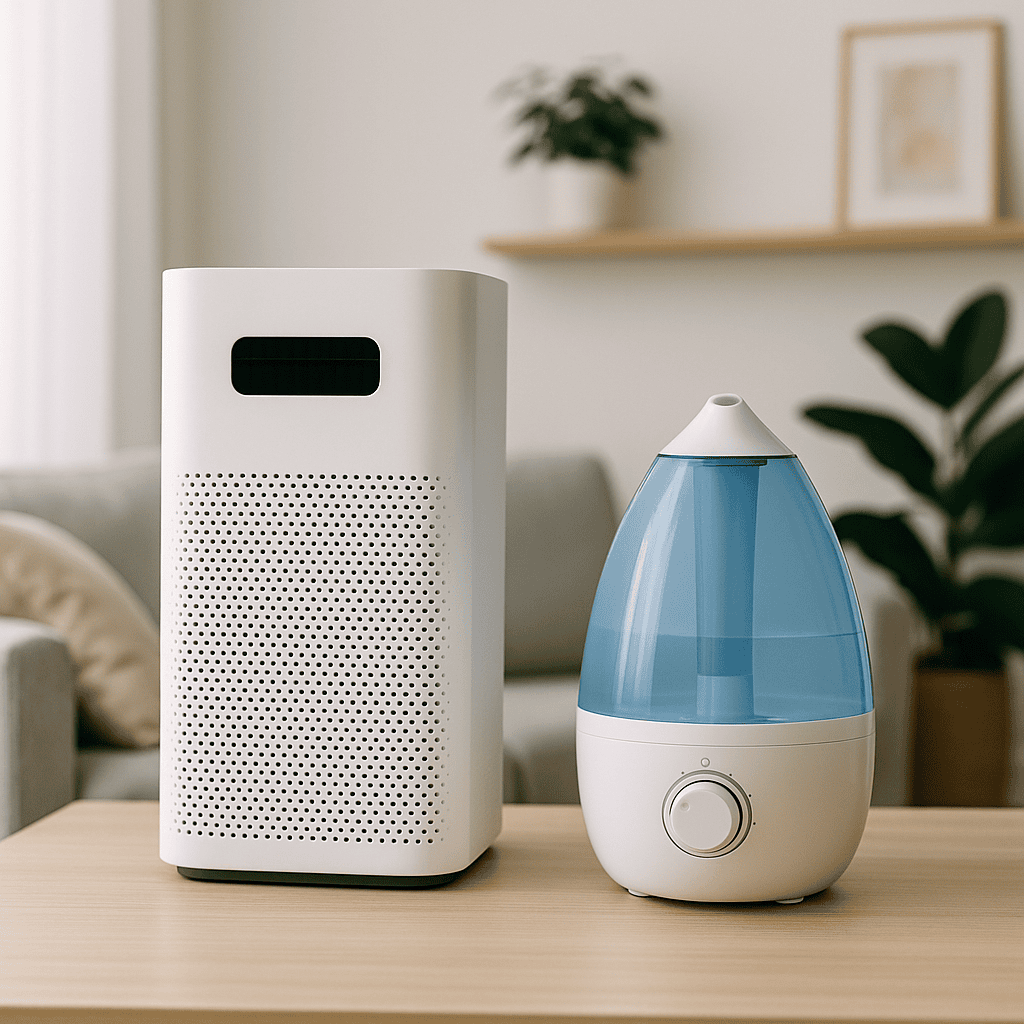
In today’s world, indoor air quality has become a significant concern for many households. With rising pollution levels, allergens, and other irritants, having clean, breathable air is essential for maintaining good health. Air purifiers and humidifiers have emerged as popular solutions to combat these issues, providing a dual approach to enhancing indoor air quality. This guide delves into the importance of these devices, how to choose the right one for your needs, and the latest trends in air purification technology.
Why Indoor Air Quality Matters
Indoor air can be more polluted than outdoor air, often containing dust, pet dander, mold spores, and volatile organic compounds (VOCs) from household products. Poor air quality can lead to a myriad of health issues, including respiratory problems, allergies, and even chronic conditions. Moreover, maintaining optimal humidity levels is crucial, as low humidity can lead to dry skin, irritation, and increased susceptibility to infections. Thus, investing in an air purifier or humidifier can significantly improve your overall well-being.
Understanding Air Purifiers
Air purifiers are designed to remove airborne pollutants using various filtration technologies. The most common types include HEPA filters, activated carbon filters, and UV light purifiers. HEPA filters are particularly effective, capturing 99.97% of particles as small as 0.3 microns, including allergens and even some bacteria. When choosing an air purifier, consider the size of the space it needs to cover, the type of filtration system it uses, and any additional features like smart controls or air quality sensors.
Features to Look for in Air Purifiers
When selecting the right air purifier, it’s essential to focus on features that suit your specific needs. Look for devices with a high Clean Air Delivery Rate (CADR), which indicates how quickly the unit can filter the air in a given room size. Additionally, consider air purifiers with smart technology that allow you to monitor air quality through a smartphone app. Some models even offer real-time feedback on air conditions, enabling you to adjust settings accordingly.
The Role of Humidifiers
Humidifiers, on the other hand, add moisture to the air, which can be particularly beneficial during dry seasons or in arid climates. Proper humidity levels (between 40-60%) can alleviate symptoms of dry skin, sinus congestion, and static electricity. There are several types of humidifiers, including evaporative, ultrasonic, and steam vaporizers. Each type has its advantages, so it’s crucial to choose one that aligns with your preferences and needs.
Choosing the Right Humidifier
When selecting a humidifier, consider factors such as the size of the space you intend to use it in and the type of humidity it produces. For larger rooms, a console humidifier may be more effective, while smaller portable units may suffice for bedrooms or offices. Additionally, look for features like built-in hygrometers that measure humidity levels, automatic shut-off functions, and easy-to-clean designs.
Combining Air Purifiers and Humidifiers: A Comprehensive Solution
For many households, the best solution is a combination of both air purifiers and humidifiers. This dual approach not only cleans the air but also maintains optimal humidity levels, creating a healthier living environment. Some modern devices, like the SHARP KCP110CW Smart HEPA Air Purifier and Humidifier, seamlessly integrate both functions into one unit. Such all-in-one solutions can save space and simplify maintenance while ensuring that your indoor air quality remains at its best.
Current Trends in Air Quality Technology
The air purification and humidification industry is evolving rapidly, driven by advancements in technology. Smart home integration is one of the most significant trends, allowing users to control their devices remotely and receive notifications about air quality changes. Furthermore, innovations in filtration technology, such as the use of Plasmacluster ion technology, enhance the effectiveness of air purifiers by actively neutralizing pollutants and pathogens.
Eco-Friendly Options
As consumers become more environmentally conscious, there is a growing demand for energy-efficient air purification and humidification solutions. Look for devices that are ENERGY STAR certified, which indicates lower energy consumption without sacrificing performance. Additionally, some brands are focusing on sustainable materials and recyclable components, making it easier for consumers to make eco-friendly choices.
Investing in Healthier Air
In conclusion, maintaining good indoor air quality is essential for health and comfort. Whether you choose an air purifier, humidifier, or a combination of both, it is crucial to understand your specific needs and select a device that fits your lifestyle. By staying informed about the latest technologies and trends, you can make a well-informed decision that promotes a healthier living environment for you and your family.